
MY SUSTAINABLE FASHION JOURNEY (I’M NOT PERFECT)
The fashion industry is the third-largest contributor to environmental waste and harm. Entering this field as someone who originally planned to pursue medicine, these questions only emerged for me later as I continued my education and learned more about the industry. What began as a passion-driven interest eventually pushed me to reflect on how my role as a merchandiser could impact the world. I felt some friction between my values and my career choice—I was shifting from directly helping people with their health to indirectly supporting them through storytelling and clothing. It wasn’t until I began exploring sustainability that I started to feel more grounded in understanding how I could contribute meaningfully both within the industry and in my personal relationship with fashion.
Before going to fashion school, I was like any regular consumer. I shopped at places like H&M and Old Navy, and as my style became more eclectic, I turned to Urban Outfitters and PacSun. I wanted to look “cool” at school, so I bought whatever felt trendy. It wasn’t until high school, when thrifting became a major trend, that I considered alternatives. Influencers like Emma Chamberlain would post their thrift hauls from Goodwill or Salvation Army, finding name-brand pieces for a fraction of what I paid at retail stores. Still, sustainability wasn’t part of my thinking back then. Secondhand shopping was simply another way to accumulate more clothing, adding to the piles already taking over my room. I was unaware of the impact of my habits. I didn’t understand that I was buying low-quality garments and cycling through trends so quickly that I constantly felt like I had “nothing to wear,” leading me to overconsume at both retail stores and thrift shops. None of it clicked until I started earning my own money. Buying clothes with my own income changed my mindset entirely.
My consumption naturally decreased, and my purchases became more intentional. The internet—and the rise of thrift and style influencers—helped me learn how to dress in a way that felt authentic and how to thrift with purpose. I learned how to choose pieces I could wear repeatedly and give more life to. From that point on, almost all the clothing I purchased came from thrift stores. While my fast-fashion consumption slowed, my overall consumption shifted toward secondhand shopping. I didn’t yet realize that this was part of a broader effort toward sustainability; no one online was using that specific word. Instead, we simply understood that buying less fast fashion was good and buying secondhand seemed better. It wasn’t until I began learning about overconsumption itself that I recognized how sustainability factored into my fashion journey. The more clothing I accumulated, the more overwhelmed I felt. I started to recognize that I was part of the problem—unknowingly, just like many others. From that point on, I knew my relationship with clothing needed to change.
When I enrolled in fashion school in 2023 to study merchandising, the shift truly began. I learned how clothing is produced, what it takes to distribute garments globally, and how these concepts are communicated to consumers in retail spaces. Those lessons opened my eyes to the environmental damage the fashion industry causes—and to the role I had played in that harm. The clothing I bought during those years now sits in bags, waiting to be donated to stores already overwhelmed with items from people like me who consumed endlessly. I learned about the synthetic materials I wore, the dyes used on them, and the harmful processes behind their creation. I realized that if I wanted to play a part in improving the industry, change needed to start with my personal habits. That realization led me to take a course on sustainable fashion practices, which taught me to look deeper into what sustainability actually means.
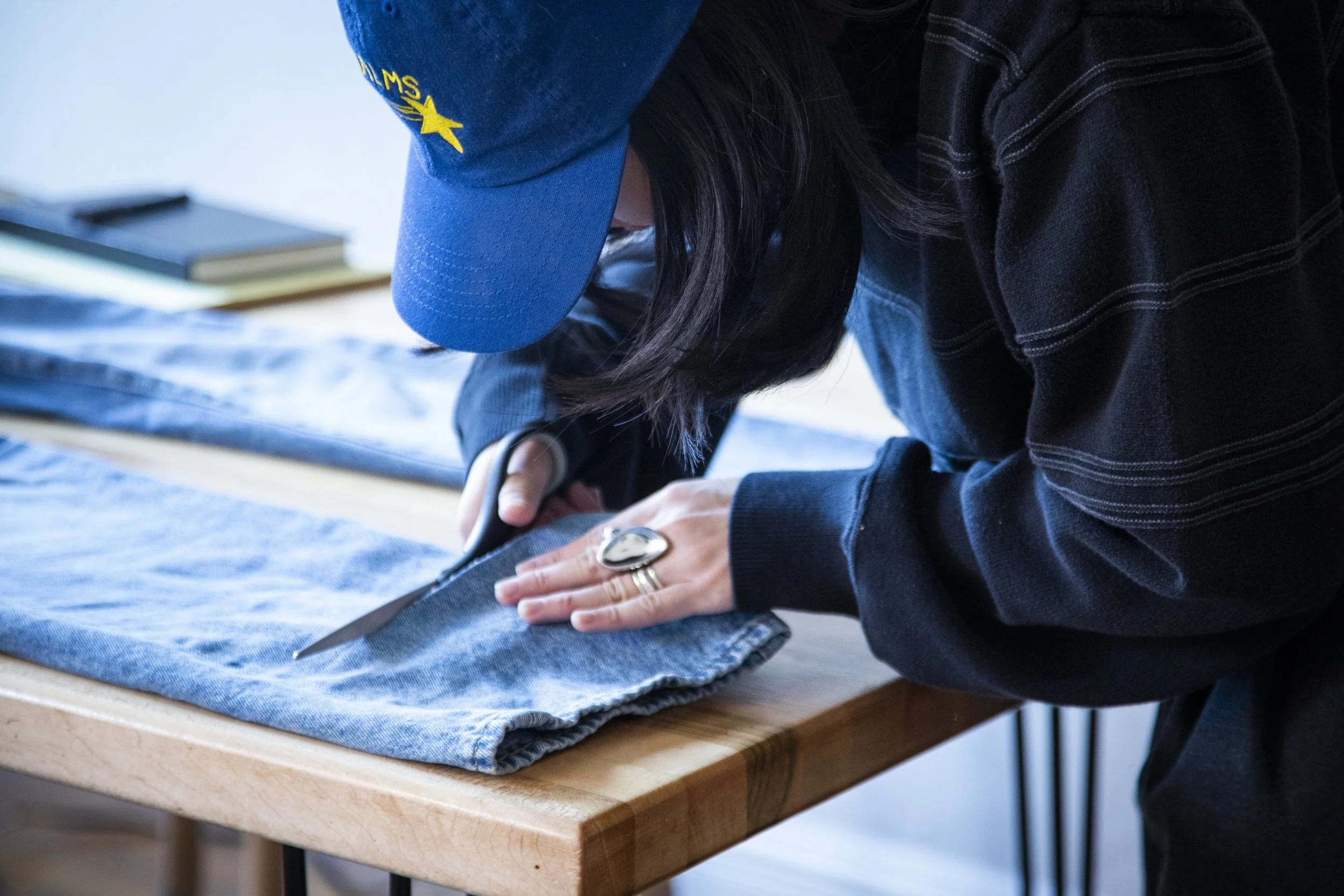
What I learned is that sustainability isn’t just about how you consume clothing or how often you shop—it’s a circular system where every stage of a product’s life cycle needs to incorporate sustainable practices to make a meaningful impact. From this moment on, I’ve accepted that I will never be perfect, but I am committed to trying. I no longer purchase new clothing every month, and when I do, I choose either thrifted items or responsible retailers like Uniqlo. I wash my garments less frequently and follow their care instructions more carefully. I repurpose clothing I no longer wear into other useful items. Beyond clothing, I’ve applied these ideas to how I consume food, water, and other forms of waste.
This journey is far from linear, and it certainly doesn’t end here. After years of overconsuming, those habits don’t disappear overnight. I still feel tempted to buy the latest trending item, and I still get the urge to do massive thrift hauls. But with time and practice, I’ve gotten better. This past October, I committed to a no-buy month. I stopped purchasing bottled water and now carry a reusable bottle everywhere. I keep reusable bags with me so I don’t need single-use ones. It takes time, effort, and awareness. I may not be perfect, but progress is progress.
